
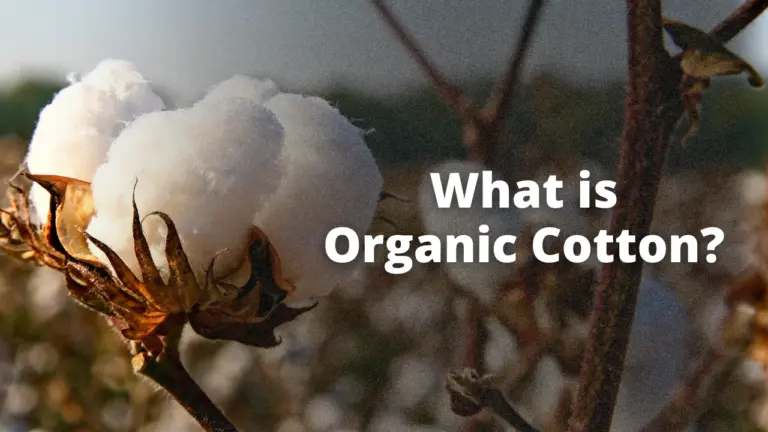
What Is Organic Cotton?
Organic cotton is becoming increasingly popular as sustainable fabric comes into its own in an age of fast fashion. But is organic cotton truly a better option than conventional cotton? Is it actually safer for the environment and for the skin of your family?
At Radhey Krishna Cotweaving, we specialize in manufacturing premium, certified organic cotton fabric. We know firsthand that organic farming practices take sustainability a massive step forward. By eliminating toxic chemicals and genetically modified seeds, organically grown cotton significantly reduces landfill waste, local water pollution, and ecological devastation.
Here is everything you need to know about organic cotton to help you decide whether you should prioritize it for your bedding, clothing, and home products.
What is Organic Cotton?
Organic cotton is a natural fiber grown without the use of synthetic pesticides, chemical fertilizers, or genetically engineered seeds (GMOs). Strict agricultural regulations and third-party certifications govern how this cotton must be cultivated to ensure it remains safe for the environment and consumers.
The Federal Trade Commission (FTC) and the United States Department of Agriculture (USDA) oversee organic certification in the United States. Other global third-party certifications, such as the Global Organic Textile Standard (GOTS) and the Oeko-Tex Standard 100, address the complex transformation of raw organic fiber into finished organic textiles.
However, the term “organic” alone may not go far enough. When products are marketed purely as “organic cotton textiles,” it usually refers only to how the raw crop was grown. The final fabric may still be treated with hazardous chemicals such as bleach or dyed with toxic inks containing heavy metals. That is why it is critical to look for comprehensive certifications like GOTS and Oeko-Tex, which guarantee safety throughout the entire supply chain.
Why Is Organic Cotton Better for the Environment?
Organic cotton is better for the environment because it completely eliminates the use of toxic pesticides, reduces water consumption by relying primarily on rainfall, and promotes long-term soil health through natural crop rotation rather than chemical reliance.
According to a report published by the UK charity Soil Association, switching to organic cotton could reduce the global warming impact of cotton production by up to 46% when compared to non-organic, conventional cotton.
How Does Organic Cotton Farming Avoid Chemicals?
Organic cotton farming avoids synthetic chemicals by relying on natural pest management strategies, such as introducing beneficial insects to eat crop-destroying pests. This completely eliminates the need for toxic pesticides and prevents hazardous chemical runoff into local rivers and lakes.
Conventional cotton is the world’s most pesticide-dependent crop, with over $3 billion in toxic chemicals sprayed annually. These chemicals devastate local ecosystems and are estimated to kill 67 million birds worldwide each year. Organic cotton farming halts this environmental destruction entirely.
Why Does Organic Cotton Use Less Water?
Organic cotton uses less water because organic farming builds healthy, rich soil that acts like a sponge, retaining moisture for much longer. Additionally, organic cotton is predominantly rain-fed, which drastically relieves the pressure on local municipal and agricultural water supplies.
A staggering 2,700 liters of water are required to harvest enough conventionally produced cotton to make a single t-shirt. Furthermore, because conventional crops are sprayed with chemicals, the resulting runoff water is contaminated and cannot be reused. Meanwhile, organic cotton can produce that same t-shirt using up to 91% less water.
How Does Organic Cotton Protect Soil Health?
Organic cotton protects soil health by utilizing traditional farming methods such as manual weed pulling, natural composting, and strict crop rotation. These practices prevent severe soil erosion and maintain nutrient-rich earth, ensuring the land remains fertile for future agricultural generations.
Because these organic processes use less heavy machinery, require less fuel, and emit fewer greenhouse gases, they leave a significantly lower carbon footprint on the planet.
How Does Organic Farming Protect Workers?
Organic farming protects workers by prohibiting the use of poisonous pesticides, toxic bleaches, and hazardous chlorine during cultivation and processing. By enforcing strict environmental and labor standards, organic farming ensures agricultural communities are safe from chemical poisoning.
Every year, thousands of conventional cotton workers are poisoned by pesticides, resulting in countless severe illnesses. To be certified organic, production companies must guarantee worker safety, prohibit child labor, and pay a living wage. Furthermore, studies show that organic cotton clothing causes fewer allergic reactions than conventional cotton, benefiting the health of the final consumer as well.
Organic Cotton vs. Conventional Cotton
When deciding between conventional and organic fabrics, understanding the stark differences in cultivation and processing is essential:
| Feature | Organic Cotton | Conventional Cotton |
|---|---|---|
| Seeds Used | 100% Natural (No GMOs) | Genetically Modified (GMOs) |
| Pesticides & Fertilizers | None (Natural pest control) | Heavy synthetic chemical use |
| Water Consumption | Very Low (Mainly rain-fed) | Very High (Requires heavy irrigation) |
| Soil Impact | Promotes healthy, nutrient-rich soil | Degrades soil quality over time |
| Worker Safety | High (No toxic chemical exposure) | Low (High risk of pesticide poisoning) |
Whether you are looking for heavy-duty cotton canvas fabric or lightweight apparel, choosing the organic variant ensures a safer, more sustainable product lifecycle.
Frequently Asked Questions About Organic Cotton
What exactly is organic cotton?
Organic cotton is cotton that is grown naturally without the use of synthetic agricultural chemicals such as fertilizers or pesticides, and without the use of transgenic (genetically modified) seeds.
Is organic cotton actually better for your skin?
Yes, organic cotton is generally better for your skin. Because it is grown and processed without harsh, toxic chemicals, it is highly recommended for people with sensitive skin, eczema, or chemical sensitivities, as it reduces the risk of allergic reactions.
Does organic cotton shrink more than regular cotton?
Organic cotton can shrink slightly more than conventional cotton if not cared for properly, because it is not treated with synthetic anti-shrink chemical finishes. It is best to wash organic cotton in cold water and air dry it to prevent shrinkage.
Why is organic cotton more expensive?
Organic cotton is more expensive because the farming process is more labor-intensive, yield rates are sometimes lower without synthetic fertilizers, and acquiring rigorous third-party certifications (like GOTS) requires significant investment from the farmers and manufacturers.