Global Sustainability Certificates for the Textile Industry
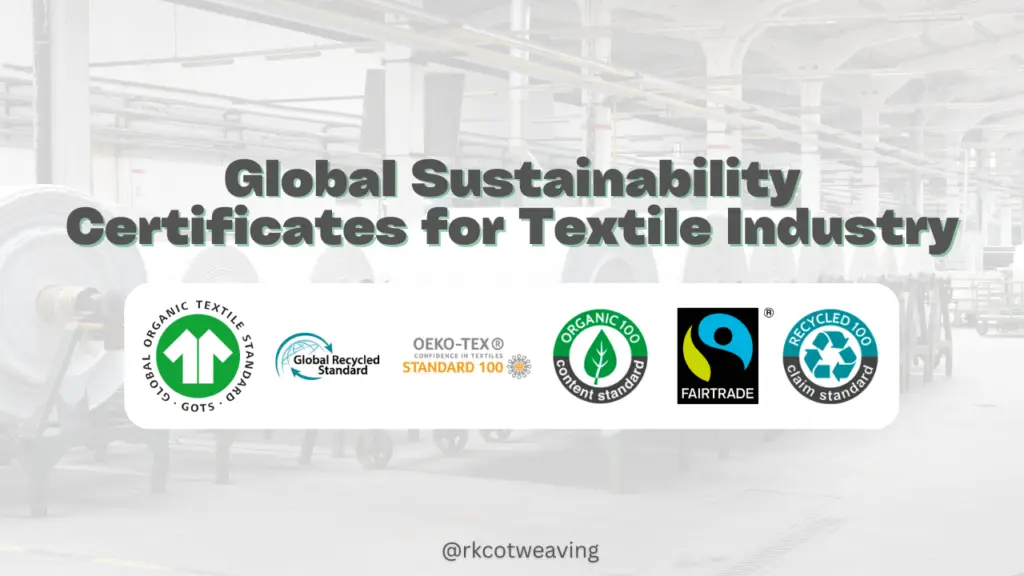
Sustainability certificates have become a defining benchmark of credibility and responsibility in the modern textile industry. As global consumers grow increasingly aware of environmental protection, ethical sourcing, and social accountability, they prefer textile products that are backed by recognised sustainability certificates. These certifications serve as proof that a textile manufacturer follows environmentally responsible processes, respects labour rights, and maintains transparency across the supply chain.
The textile industry is one of the largest contributors to pollution, excessive water consumption, and carbon emissions worldwide. To address these challenges, manufacturers are adopting sustainability-focused practices and obtaining internationally recognised sustainability certificates. These certifications help reduce environmental impact while also enabling businesses to build trust, comply with regulations, and access global markets.
Radhey Krishna Cotweaving stands at the forefront of this sustainable transformation. As a responsible textile manufacturer, the company has consistently invested in certified sustainable practices, ethical sourcing, and transparent production systems. Through globally recognised sustainability certificates, Radhey Krishna Cotweaving demonstrates its commitment to producing high-quality textiles while meeting environmental, social, and regulatory expectations.
This blog examines the most significant sustainability certifications utilised in the textile industry and explains their role in establishing a responsible and transparent textile supply chain.
Why Sustainability Certificates Matter in the Textile Industry
Sustainability certificates play a crucial role in transforming the textile industry into a more accountable and transparent sector. For consumers, these certificates assure that the products they purchase are ethically produced and environmentally safe. For businesses, sustainability certificates demonstrate a commitment to responsible manufacturing while strengthening brand reputation and credibility.
Key benefits include improved environmental performance, compliance with labour standards, traceability of raw materials, reduced chemical usage, and adherence to international sustainability regulations. Sustainability certificates also establish a strong chain of trust by tracking products from raw material sourcing to the final stage of delivery.
Major Sustainability Certificates in the Textile Industry
Global Organic Textile Standard (GOTS)
The Global Organic Textile Standard GOTS is one of the most respected sustainability certificates for textiles made from organic fibres such as cotton, linen, hemp, and wool. It is an international textile processing standard that defines strict environmental and social criteria throughout the organic textile supply chain.
GOTS certification requires the use of certified organic fibres and places strict limits on the use of hazardous chemicals. It ensures environmentally responsible processing, proper wastewater treatment, and reduced energy and water consumption. Social accountability is a core requirement, providing safe and hygienic working conditions, fair wages, and protection of labour rights.
GOTS also mandates full traceability from raw material to finished product, ensuring all components comply with certification requirements. Products must be accurately labelled with organic content and certification details to maintain transparency.
Global Recycled Standard (GRS)
The Global Recycled Standard GRS is an international voluntary certification developed by Textile Exchange. It verifies the content of recycled materials used in textile products and ensures that these materials are traceable, legally sourced, and processed in an environmentally responsible manner.
GRS certification covers every stage of production, from recycled raw materials to finished products. It requires companies to disclose detailed information on material sourcing, production processes, labour practices, social responsibility, chemical management, energy efficiency, and waste management systems.
Independent audits are conducted to verify compliance with applicable laws and certification requirements. GRS certification is valid for three years and must be renewed to maintain credibility. This certification assures consumers that recycled materials have been responsibly collected, processed, and incorporated into textile products.
OEKO-TEX Standard 100
OEKO-TEX Standard 100 is a globally recognised sustainability certificate developed by OEKOTEX for testing and certifying textiles. It focuses on textile safety and environmentally responsible production by ensuring that products are free from harmful substances.
The certification process includes rigorous testing of raw materials, intermediate products, and finished textiles. It also evaluates water and energy usage, waste management, chemical handling, health and safety practices, and compliance with environmental regulations.
Assessments are carried out through a combination of on-site audits and document reviews by accredited third-party certification bodies. Companies that meet the criteria receive certification, which is recognised by leading brands and retailers and enhances supplier credibility.
Organic Content Standard (OCS) 100
The Organic Content Standard OCS is a sustainability certificate that verifies the presence and percentage of organic material in a textile product. The organic content is determined through laboratory testing based on carbon analysis, as organic materials contain higher carbon levels than conventional materials.
For a product to be certified as organic under OCS, it must contain a minimum of ninety five percent organic material. Certification is issued by an independent third-party certification agency, which also conducts audits to ensure continued compliance.
OCS tracks organic material throughout the entire supply chain, from raw material sourcing through production, manufacturing, and distribution to the final point of sale. Certification is valid for one year and must be renewed annually.
Fairtrade Sustainability Certificate
The Fairtrade Sustainability Certificate is designed to help textile companies ensure that their products are produced sustainably and ethically. It focuses primarily on fair labour practices, ethical sourcing, and social responsibility.
This certification ensures fair wages, safe working conditions, and protection of worker rights. It also helps companies demonstrate their commitment to ethical business practices while gaining recognition from customers, retailers, and stakeholders who prioritise social sustainability.
Better Cotton Initiative (BCI)
The Better Cotton Initiative BCI is a global not-for-profit organisation that aims to make cotton production better for farmers, the environment, and the future of the textile sector. It works with a wide range of stakeholders to promote measurable standards and improve farming practices.
BCI sustainability certificates are awarded to textile companies that use Better Cotton and maintain documented and traceable supply chains. Certified companies must demonstrate strong social responsibility, environmental stewardship, and proper record keeping. Participation in BCI monitoring and evaluation programs is also required.
Achieving BCI certification helps textile companies differentiate themselves, build credibility, and attract customers seeking responsibly sourced cotton products.
Recycled Claim Standard (RCS)
The Recycled Claim Standard RCS is an industry-wide sustainability certificate that verifies the use of recycled materials in textile production. It focuses on transparency, responsible sourcing, and environmentally friendly manufacturing practices.
RCS certified companies commit to using recycled materials, improving resource and energy efficiency, adopting eco-friendly production processes, ensuring fair working conditions, reducing waste, and regularly monitoring and reporting sustainability performance.
This certification helps textile companies meet the growing demand for recycled and circular textile products while maintaining supply chain accountability.
ISO 9001:2015
ISO 9001:2015 certifies that an organisation follows a structured quality management system ensuring consistency, standardisation and continual improvement across all operations. Radhey Krishna Cotweaving is ISO 9001:2015 certified and applies this system throughout manufacturing documentation and services. The quality system aligns company and customer requirements controls processes optimises performance and reduces errors. Mandatory staff training ensures understanding of quality policy, delivering consistent greige fabric suitable for dyeing, cutting and high-performance textile applications for global export compliance and customer satisfaction.
Aware
Aware certification enables textile companies to measure, verify and communicate the environmental and social impact of materials at each production stage. It supports traceability of recycled fibres, water emissions, and worker welfare, helping manufacturers provide data-driven transparency and allowing buyers to make informed, responsible sourcing decisions globally with confidence.
How Sustainability Certificates Benefit Manufacturers and Consumers
Sustainability certificates offer clear advantages for textile manufacturers by enhancing brand reputation, increasing access to international markets, and ensuring compliance with global regulations. For consumers, these certifications provide confidence that textile products support environmental protection, ethical labour practices, and responsible sourcing.
By adopting sustainability certificates, textile companies contribute to reduced environmental impact, improved supply chain transparency, and long-term business growth.
Final Thoughts
Sustainability certificates have become essential in shaping the future of the textile industry. They serve as powerful tools for environmental protection, ethical production, and consumer trust. As demand for responsible textiles continues to rise, sustainability certificates will remain a key factor in global sourcing and purchasing decisions.
Radhey Krishna Cotweaving RKC stands as a strong example of commitment to sustainability-certified textile manufacturing. The company holds certifications from the Global Organic Textile Standard GOTS, Global Recycled Standard GRS, and Better Cotton Initiative BCI, reflecting its dedication to organic fibres, recycled materials, and responsible cotton sourcing. Through continuous improvement and adherence to global sustainability standards, Radhey Krishna Cotweaving continues to lead the way in producing high-quality, environmentally responsible textile fabrics for global markets.
For enquiries, product details, or sustainability-certified fabric requirements, contact us today and connect with a trusted partner in sustainable textile manufacturing.
FAQs
1. What are sustainability certificates in the textile industry?
Sustainability certificates verify that textile products are manufactured using environmentally responsible processes ethical labour practices safe chemicals and transparent supply chains ensuring reduced environmental impact and improved social responsibility across production stages.
2. Why are sustainability certificates important for textile manufacturers?
Sustainability certificates help textile manufacturers build trust meet global compliance requirements access international markets improve brand credibility reduce environmental risks and demonstrate commitment to ethical sourcing responsible production and long term sustainable business practices.
3. How do sustainability certificates benefit consumers?
Sustainability certificates give consumers confidence that textile products are safe ethically produced environmentally friendly and responsibly sourced allowing informed purchasing decisions that support sustainability social welfare and reduced harm to the planet.
4. Which sustainability certificates are most common in textiles?
Common sustainability certificates in textiles include Global Organic Textile Standard Global Recycled Standard OEKO TEX Organic Content Standard Better Cotton Initiative Fairtrade and Recycled Claim Standard each addressing environmental social and material traceability requirements.
5. Do sustainability certificates improve supply chain transparency?
Yes sustainability certificates improve supply chain transparency by tracking raw materials production processes and sourcing practices which helps verify compliance prevent unethical practices and ensure accountability from fibre origin to finished textile products.
6. Are sustainability certificates mandatory for textile companies?
Sustainability certificates are not always mandatory but they are increasingly required by global brands retailers and regulations making them essential for competitiveness export readiness and meeting evolving environmental and social compliance standards.
7. How can textile companies obtain sustainability certificates?
Textile companies can obtain sustainability certificates by meeting defined standards implementing compliant processes maintaining documentation undergoing third party audits and continuously improving environmental social and ethical practices throughout their manufacturing operations.